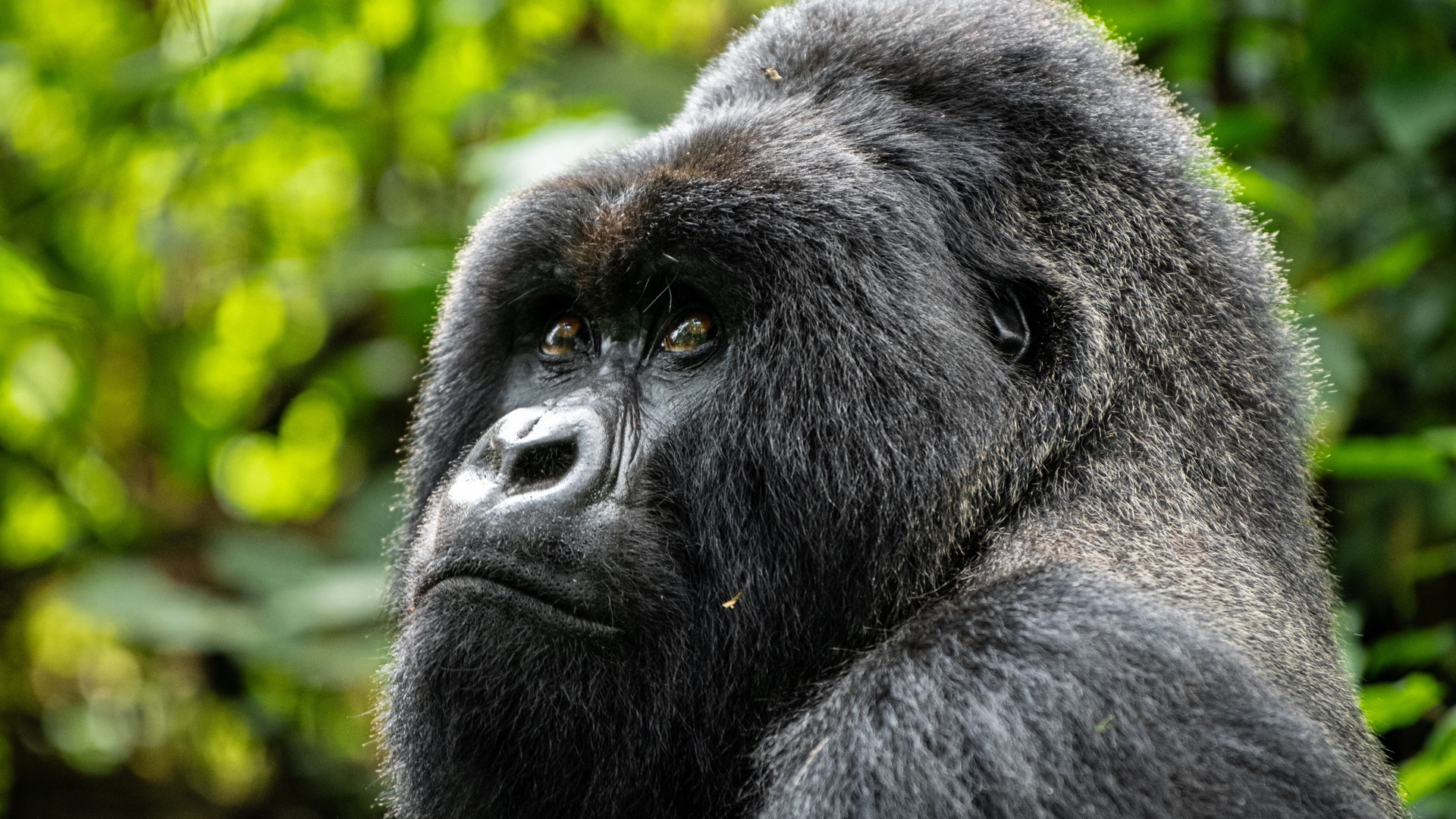
Rwanda
The only country here where short is not the same as rushed
Six nights in Kenya or Tanzania is a compressed trip. Six nights in Rwanda is a whole one — because the airport is two hours from the gorillas on good tarmac, the country is small, and one overwhelming experience sits at the centre of it that does not need a week to build up to.
- Airport to gorillas
- Two hours, on tarmac
- Internal flights needed
- None
- A complete trip
- Five or six nights
- Trekking season
- All year; drier June–Sept and Dec–Feb
The part nobody describes
The trek is a hard morning
Everybody selling Rwanda shows you the hour with the gorillas. Almost nobody describes the three hours before it.
You are at 2,500 to 3,000 metres. The forest is steep, dense and wet, there is frequently no path — trackers cut through and you follow — and it is muddy in a way that is difficult to convey. The walk can be twenty minutes or four hours each way and you do not know which until the morning.
Then you stop, and spend an hour at seven metres from a family going about an ordinary day. Every couple we have sent has said it was worth the three hours before. But it should be scheduled as what it is, not as an excursion.
- A soft day either side — the advice couples thank us for afterwards
- Never the morning after a long-haul flight
- Take a porter: inexpensive, and they will pull you up a slope
- Two nights before the trek rather than one
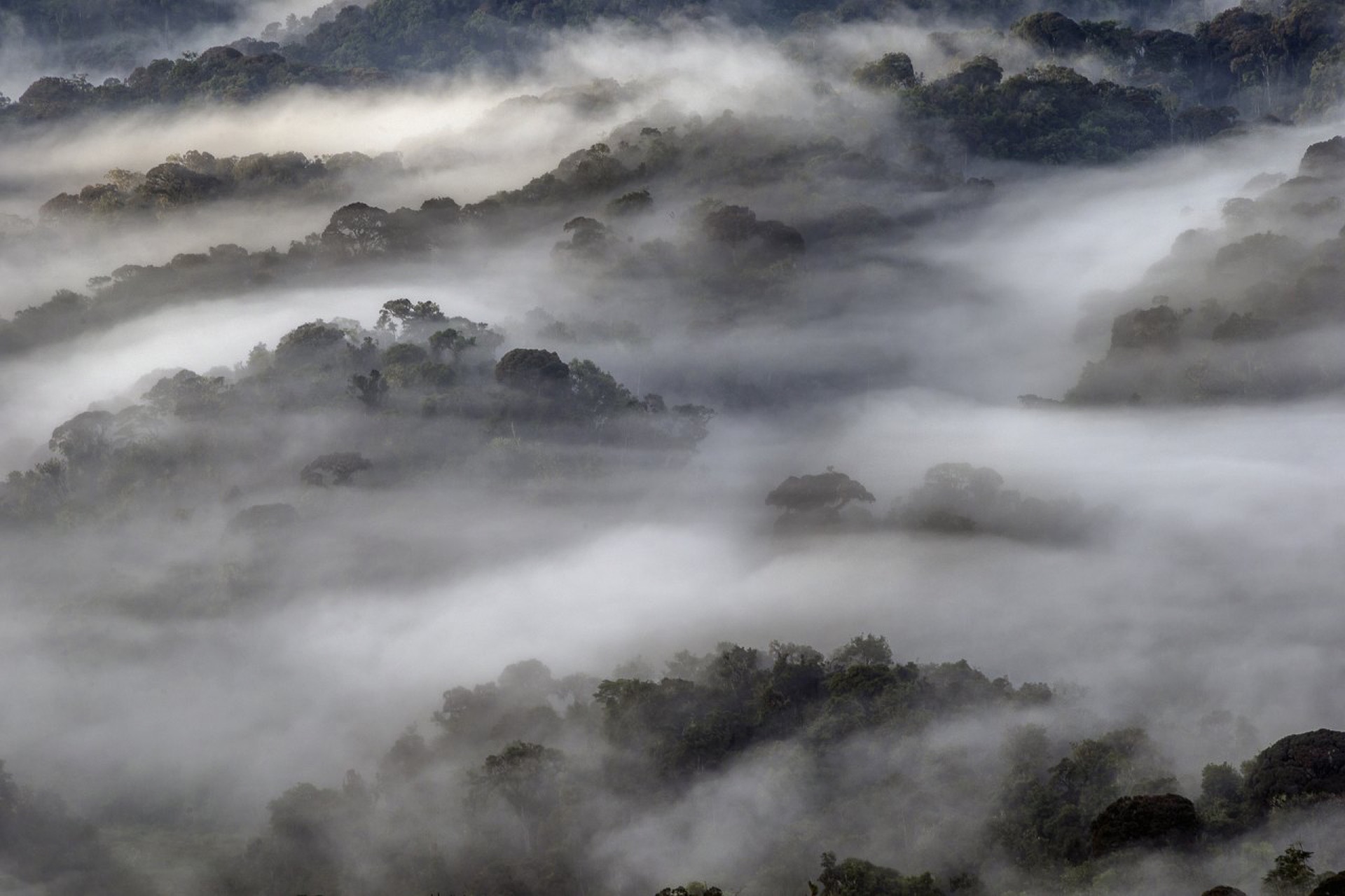
The country
Three places, and how they fit together
Nothing is more than a half-day drive from anything else, which is why the trip works at six nights.
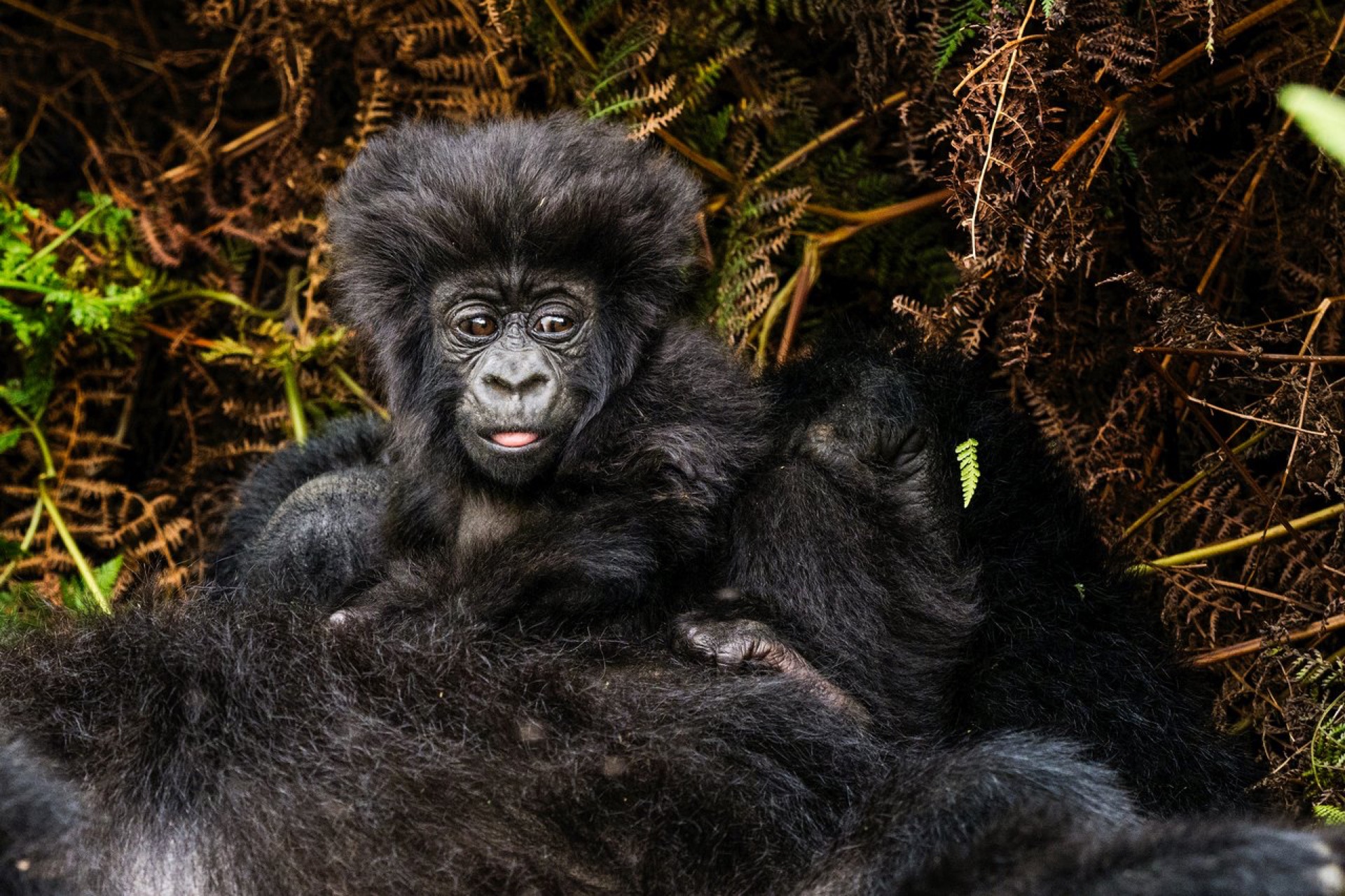
Volcanoes
Mountain gorillas, golden monkeys and the Dian Fossey hike. Two hours from Kigali on good roads, with the best lodges in the country.
Volcanoes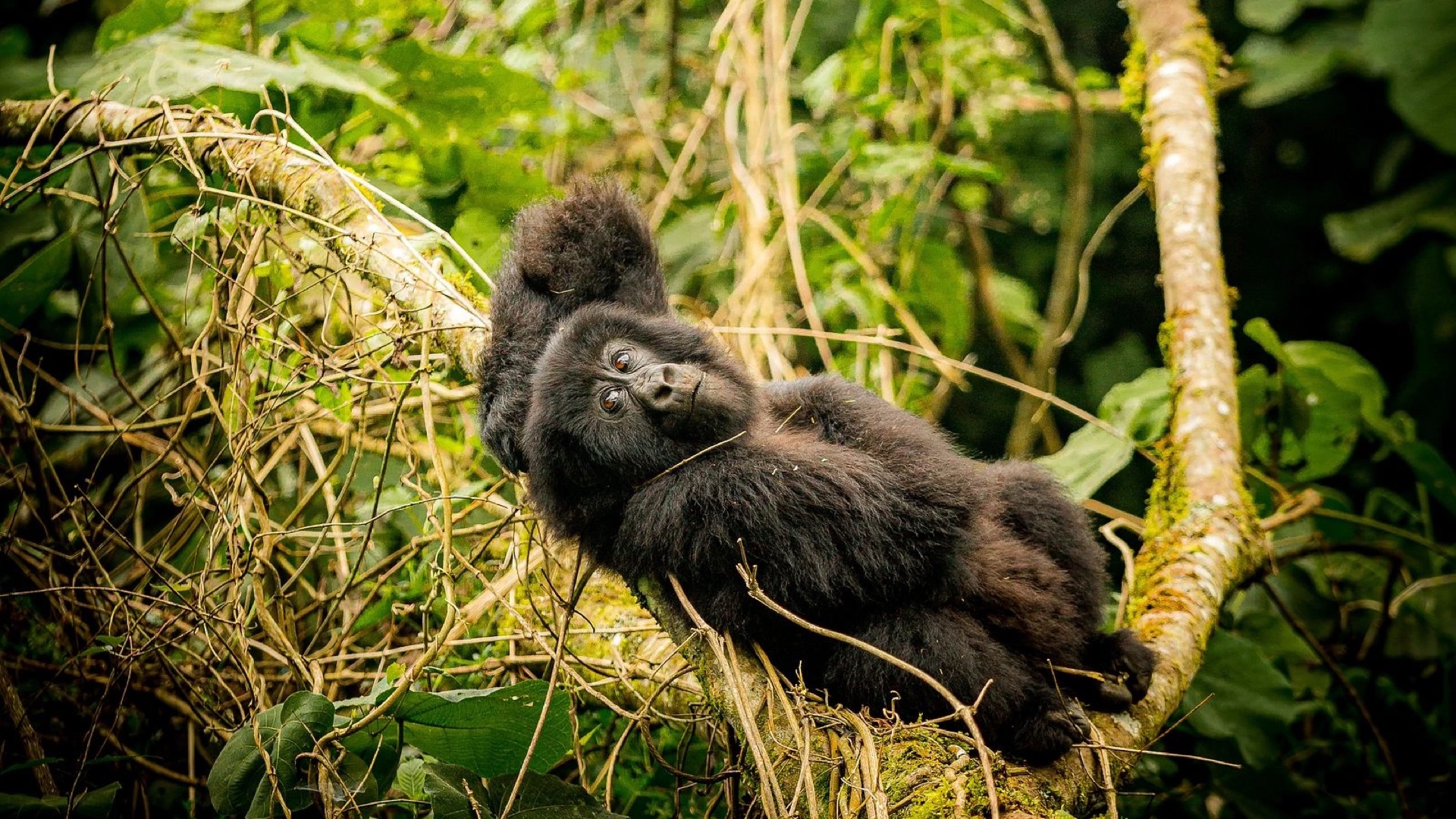
Nyungwe
Montane rainforest, chimpanzee tracking and a canopy walkway. Four to five hours from Kigali, and a genuine contrast to the volcanoes.
Nyungwe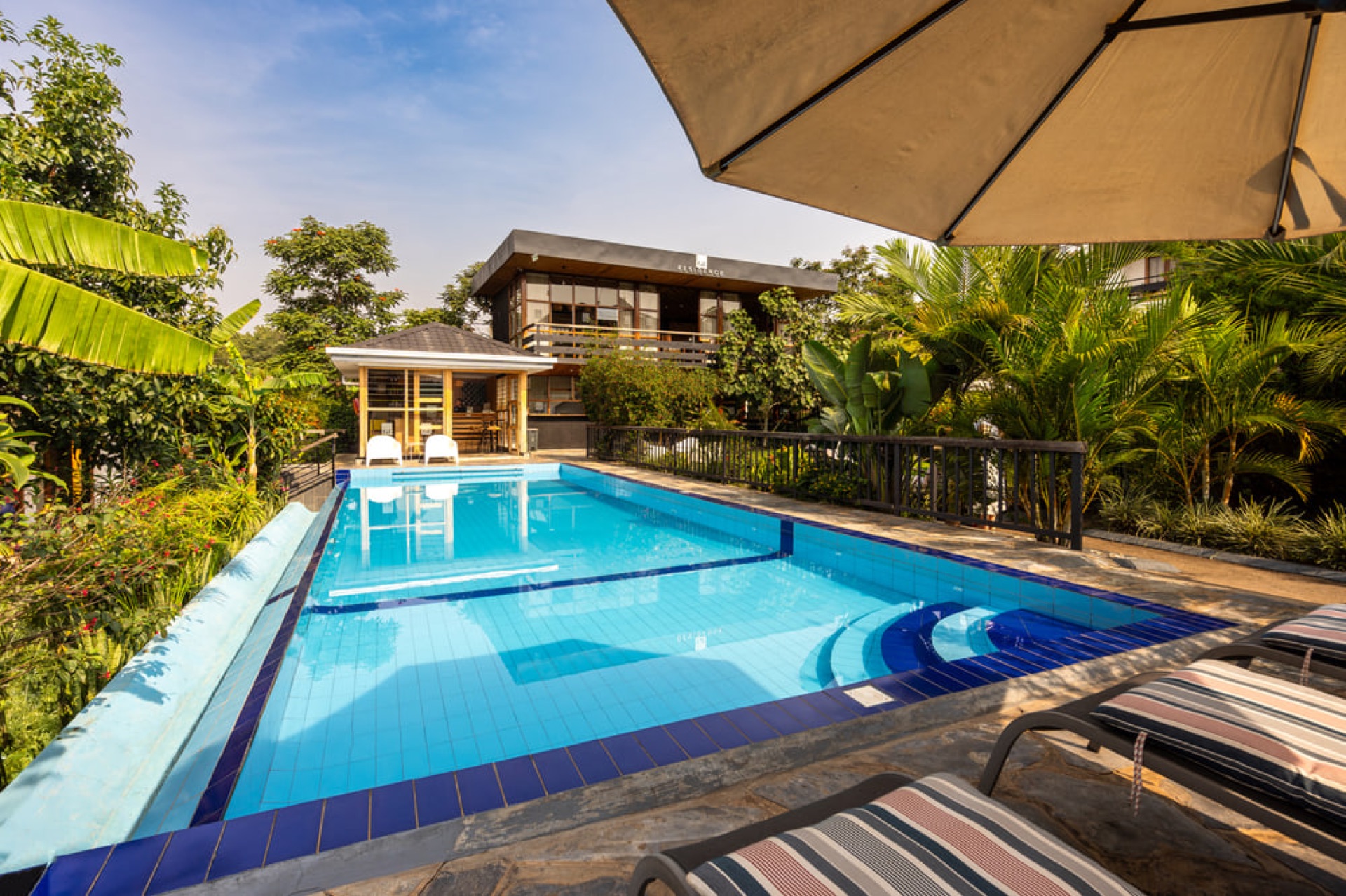
Lake Kivu
A large freshwater lake with nothing whatever to do — which, after the trek, is exactly the point. This is the honeymoon half.
Lake KivuThe trek
What the three hours before the hour are actually like, what to bring, and why to take a porter.
The trek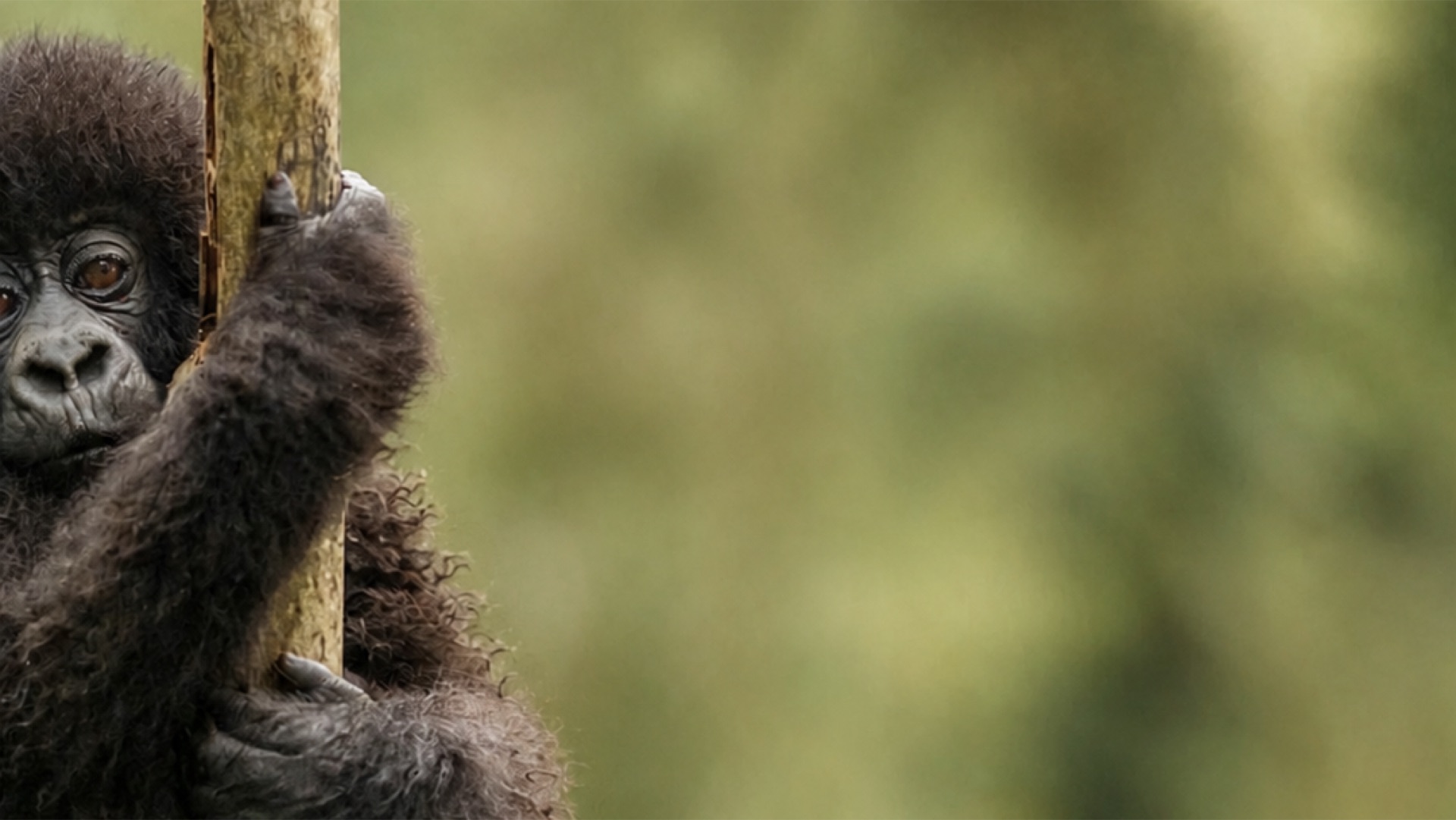
Permits
A hard daily cap, booked against your passport, sold out months ahead in season. The thing to book before flights.
How permits work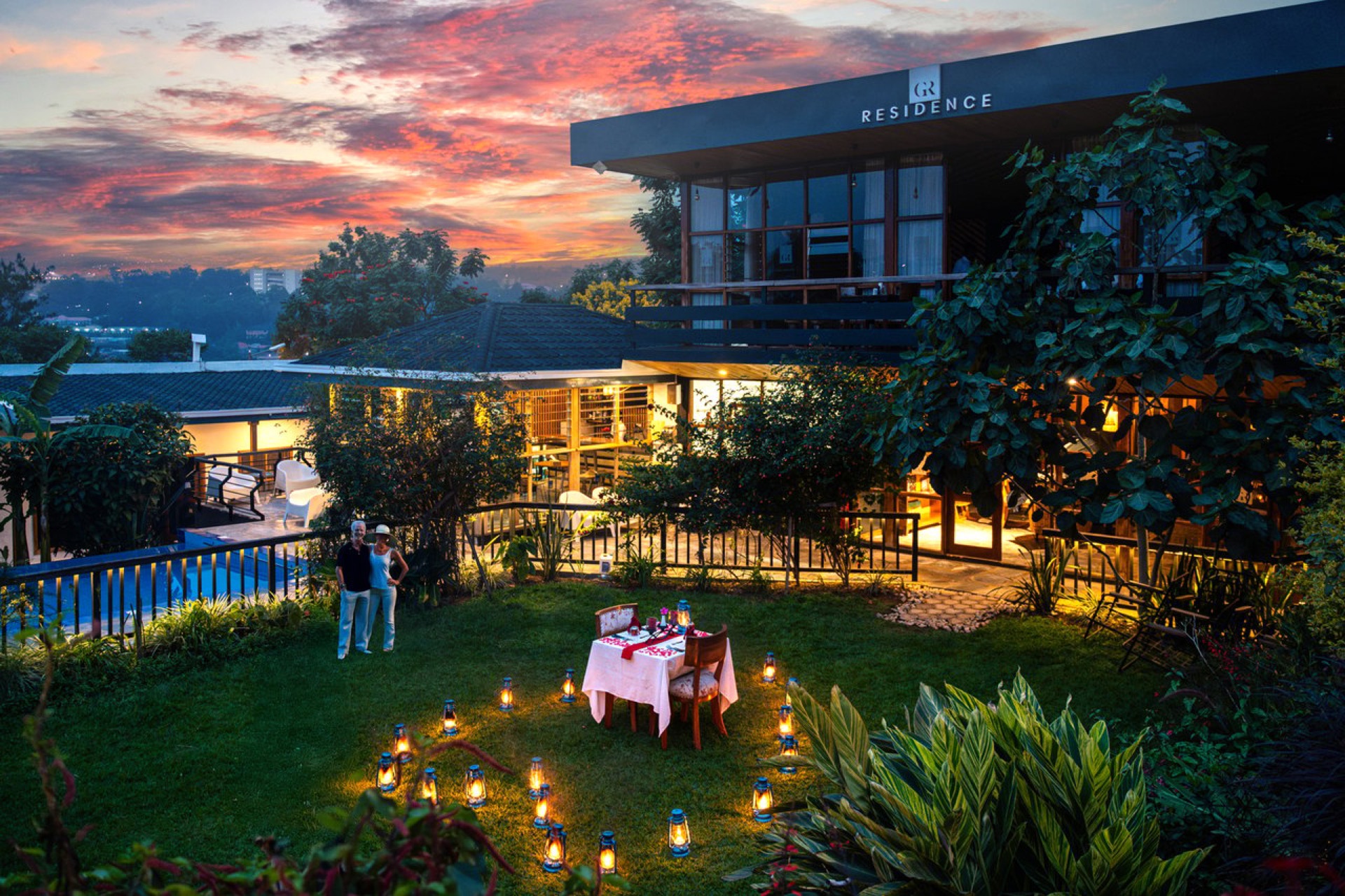
Six nights
Why the arithmetic works here and nowhere else, and the shape we build most often.
The six-night caseFree download
The Rwanda Honeymoon Guide
Why six nights is a complete trip here, what the trek really involves, how permits work, and the scheduling advice couples thank us for afterwards.
- Why Rwanda works at six nights
- The trek, described honestly
- Fitness, porters and what to expect of yourselves
- Permits: numbers, timing and how they are booked
- Volcanoes, Nyungwe and Lake Kivu
- Where to stay, and what differs
- When to go
- Combining Rwanda with a beach or a savanna
- A worksheet
No cost, no obligation. We ask for an email so we can send it and, if you want it, follow up once.
Before you ask
What couples ask about Rwanda
Is the trek too hard for a honeymoon?
It is a hard morning, not a hard week — and people of a very wide range of ages and fitness do it successfully every day. There is no time pressure: the group moves at the speed of its slowest member.
What it asks for is the ability to walk uphill on slippery, uneven ground for a couple of hours and to keep going when it is unpleasant. Take a porter, put a soft day either side, and do not schedule it for the morning after a long-haul flight.
Is six nights really enough?
In Rwanda, yes, and it is the only country we plan where that is true. There are no internal flights, no airstrip transfers and no long drives — the airport is two hours from the gorillas on tarmac.
A typical shape: a night in Kigali, two or three at Volcanoes with the trek in the middle, two at Lake Kivu doing nothing, and out.
Rwanda or Uganda?
Rwanda if you want it comfortable and short. Two hours from an international airport, the best lodges of the two, and a complete trip in six nights.
Uganda if the trek itself is the point: lower permit prices, wilder and steeper forest, chimpanzees at Kibale, far fewer people — and considerably more driving.
When should we go?
Any month. June to September and December to February are drier and the trekking is easier underfoot; the wetter months are muddier rather than closed.
That makes Rwanda the answer for couples marrying in April or May, when most of East Africa is genuinely difficult.
Who actually arranges my safari?
This site is a planning guide. When you send an enquiry it goes to Nomad Africa, our partner travel agency in Kenya, who prepare your itinerary and quote and handle the booking, the payments and you on the ground.
You deal with one team from the first email to the airport transfer home.
Start planning
Tell us your dates and we will check the permits
Permits are capped daily and booked against passport details, so the first useful thing we can tell you is whether your dates are available at all.
Our Rwanda specialist replies within 24 hours with a route, the permit position and an itemised price.
- The permit position for your actual dates, first
- A route with a soft day either side of the trek
- Named lodges, with how far each is from the park headquarters
- No deposit to see a plan, and no obligation at any point
Who answers
Nomad Africa, our partner travel agency in Nairobi, builds and prices every itinerary we send. You deal with one team, on the ground, for the whole trip.
Founded in 2017 as East Africa’s only dedicated travel magazine, Nomad still publishes — so the people planning your trip are the ones who write about these places for a living.
Get your tailored itinerary and quote
Our Rwanda specialist replies within 24 hours with a costed plan built around your dates.
More from our Rwanda guides
Specialist guides across our Rwanda network
Each of these is a focused guide we publish. Same Rwanda specialist behind every enquiry.